
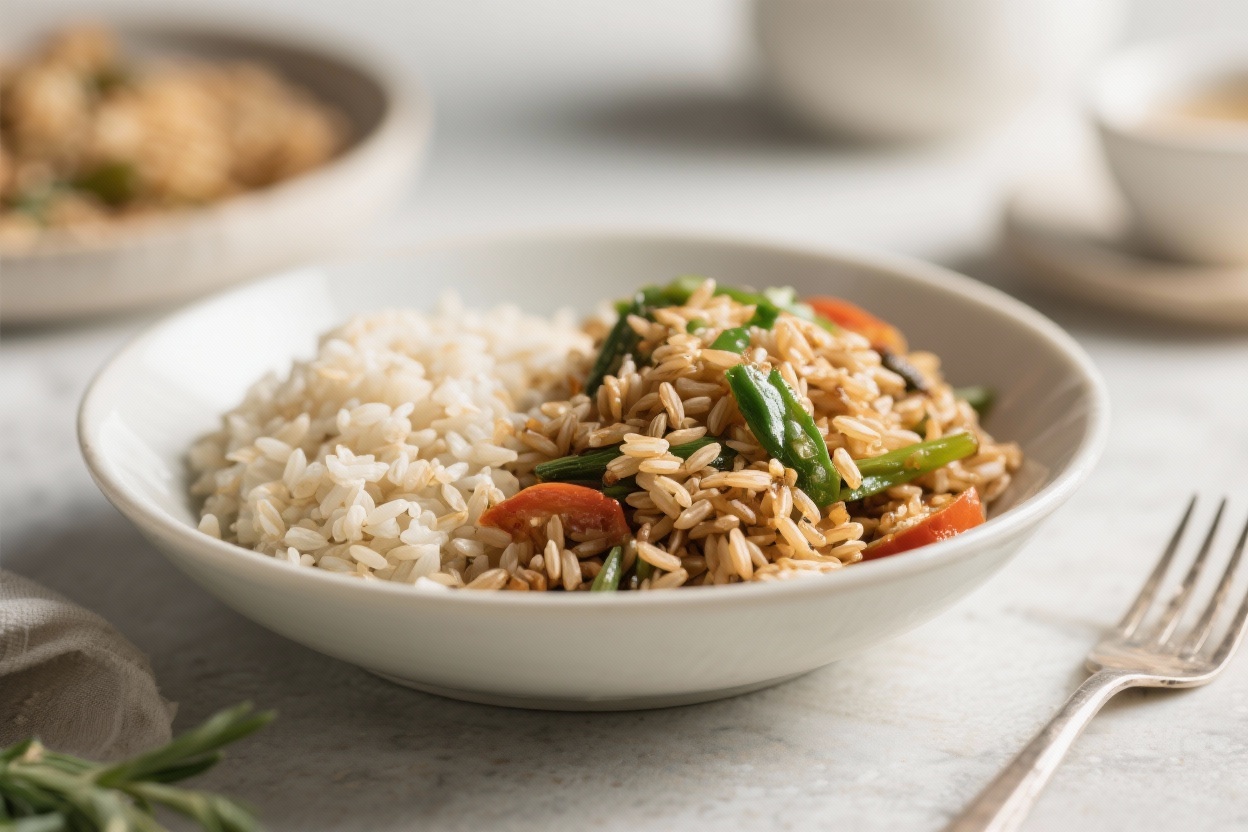
Brown rice gets a bad rap for being bland or chewy, but it doesn’t have to be. With a few small tweaks, you can make it fluffy, fragrant, and genuinely delicious. Think savory broth, toasted grains, and a squeeze of citrus at the end.
These simple steps turn everyday rice into a side you’ll actually look forward to. Whether you’re meal prepping or cooking a quick dinner, this method works every time.
What Makes This Special
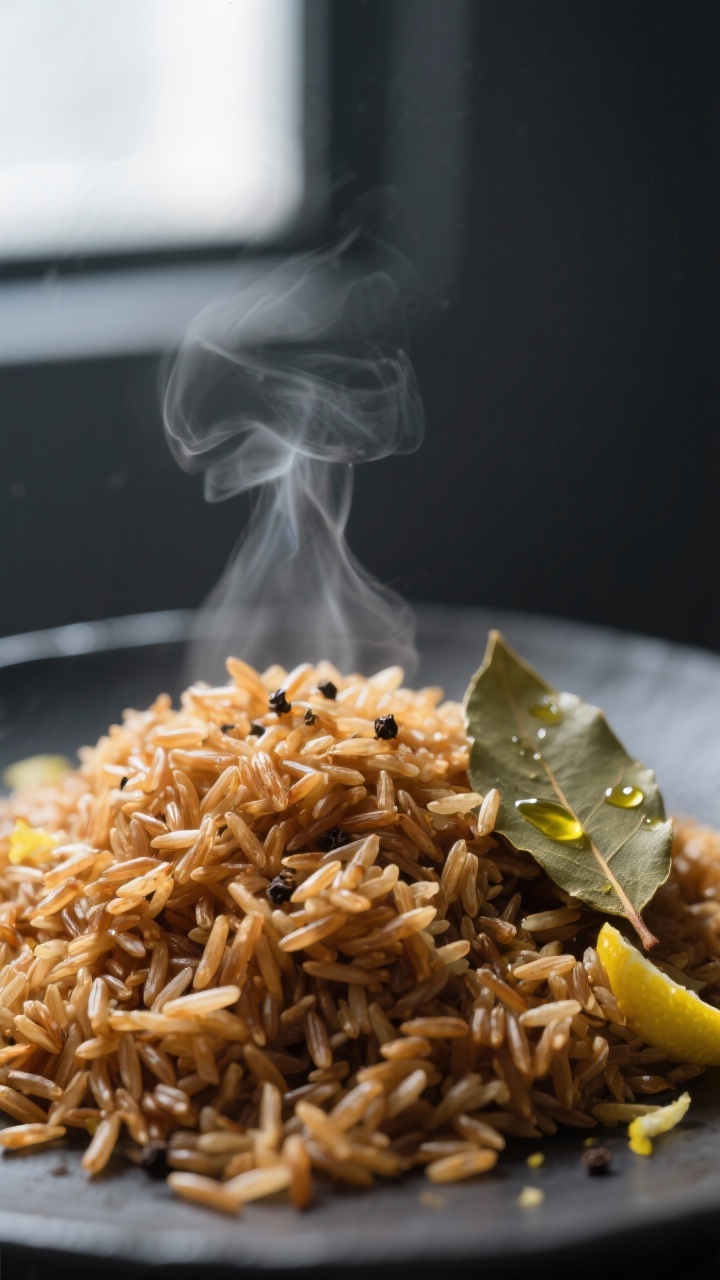
This isn’t just about boiling rice in water and hoping for the best. It’s about building flavor from the start and treating brown rice like the star it can be.
You’ll toast the grains, season the cooking liquid, and finish with bright, fresh touches. The result is rice with a nutty aroma, soft texture, and a savory backbone that pairs with almost anything.
- Toasting adds flavor: A quick toast wakes up the rice’s natural nuttiness.
- Broth over water: Cooking in stock makes every bite taste seasoned.
- Aromatics matter: Garlic, onion, or bay leaf deepen the flavor.
- Steam for fluffiness: Resting after cooking gives you tender, separate grains.
- Finish with acid and fat: A little lemon or lime and olive oil makes it pop.
What You’ll Need
- 1 cup long-grain brown rice (or short-grain if you prefer a stickier texture)
- 1 3/4 to 2 cups low-sodium chicken or vegetable broth (or water with bouillon)
- 1 tablespoon olive oil, butter, or ghee
- 1 small shallot or 1/4 small onion, finely chopped (optional but recommended)
- 1 clove garlic, minced (optional)
- 1 bay leaf or a small strip of lemon zest (optional)
- 1/2 teaspoon kosher salt (adjust if broth is salty)
- Freshly ground black pepper
- 1 teaspoon soy sauce or tamari (optional for umami)
- 1 teaspoon lemon or lime juice, plus zest to taste (for finishing)
- Fresh herbs like parsley, cilantro, or green onion (for garnish)
How to Make It
- Rinse the rice. Place the rice in a fine-mesh strainer and rinse under cool water for 20–30 seconds. This removes surface starch and any dusty flavor.
- Toast the grains. In a medium saucepan, warm the olive oil over medium heat.Add the rice and stir for 2–3 minutes until it smells nutty and a few grains look slightly opaque. Don’t skip this—it sets the tone for flavor.
- Add aromatics. Stir in the shallot and a pinch of salt. Cook 1–2 minutes until soft.Add garlic and cook 30 seconds, just until fragrant.
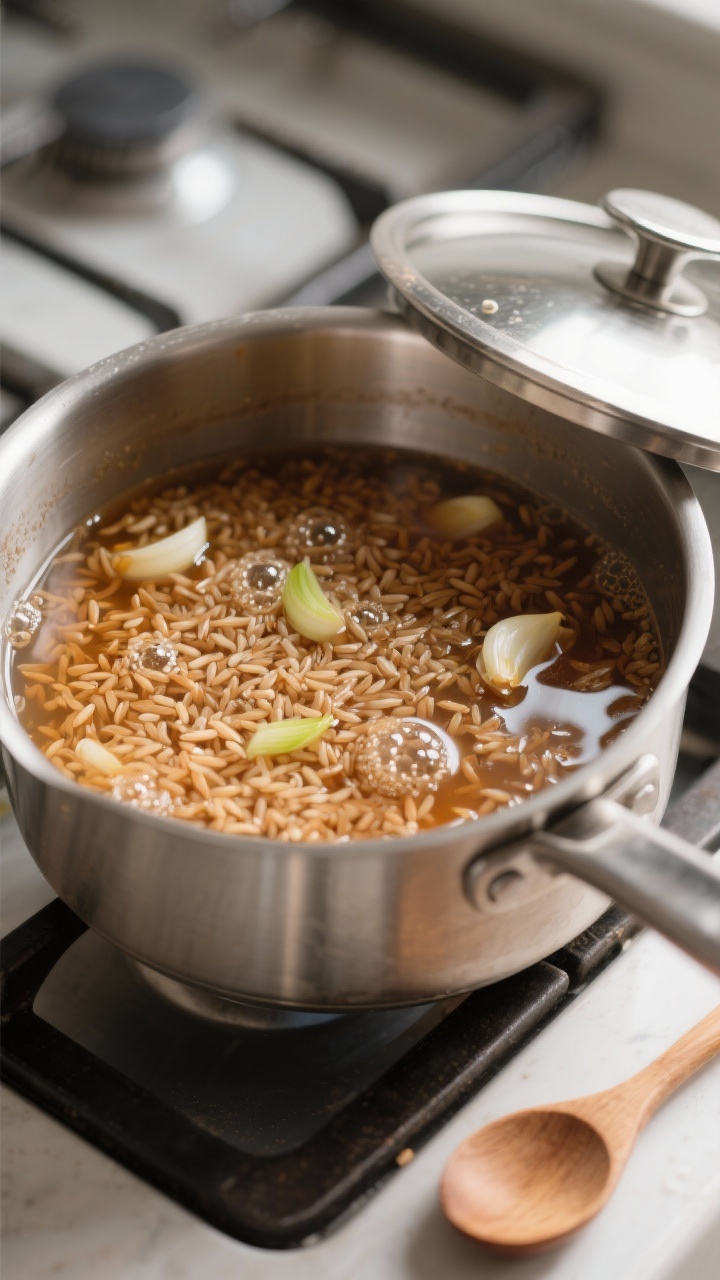
- Pour in the liquid. Add the broth (start with 1 3/4 cups), soy sauce if using, bay leaf or lemon zest, and the remaining salt. Bring to a steady boil.
- Simmer gently. Reduce heat to low, cover tightly, and simmer for 35–45 minutes. Check at 35 minutes.If the liquid is gone but the rice is still a bit firm, add 2–4 tablespoons hot water, cover, and keep cooking.
- Steam off heat. Turn off the heat and let the rice sit, covered, for 10 minutes. This resting step lets the steam finish the job and keeps the texture tender.
- Fluff and finish. Remove the bay leaf. Fluff with a fork.Add a teaspoon of lemon or lime juice, a drizzle of olive oil or a small pat of butter, black pepper, and fresh herbs. Taste and adjust salt.
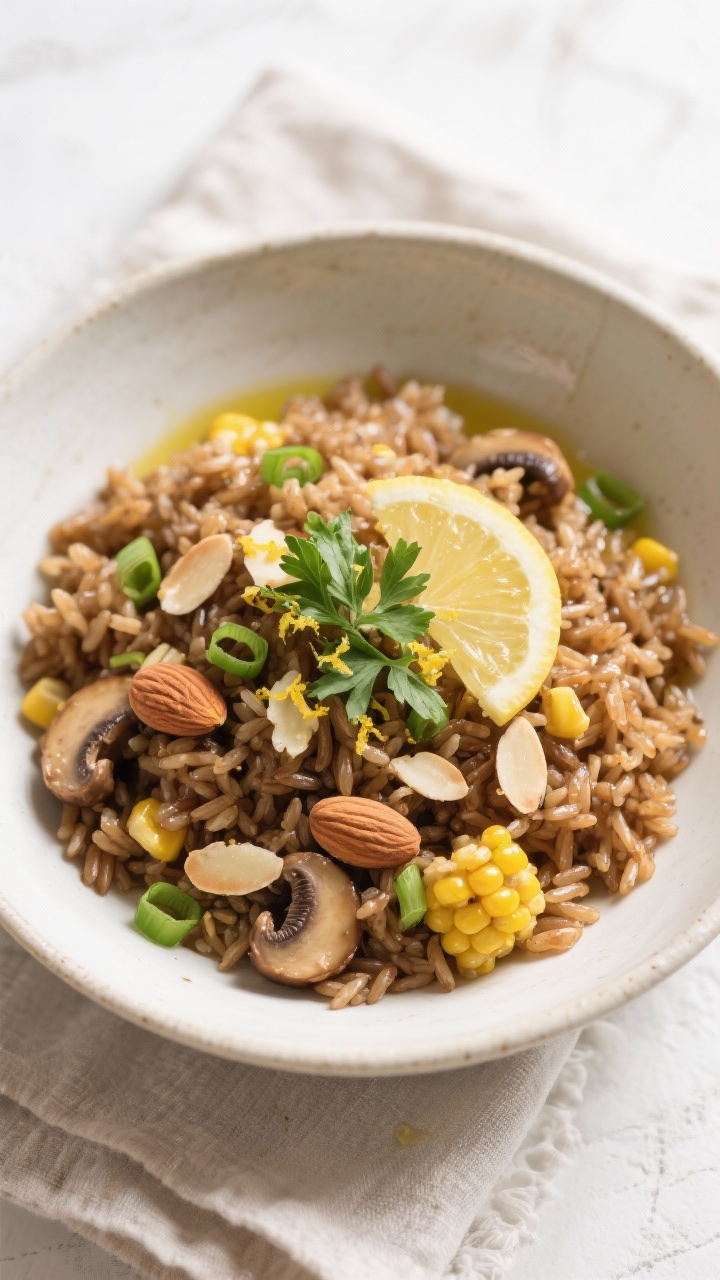
- Make it a meal. Stir in extras like toasted almonds, sautéed mushrooms, chopped spinach, or roasted corn. The rice becomes a flavorful base for bowls, stir-fries, or grilled proteins.
Keeping It Fresh
Brown rice stores well, which makes it great for meal prep.
Cool it quickly by spreading it on a sheet pan so it doesn’t get soggy. Once cool, pack it into airtight containers.
- Fridge: Up to 4 days.
- Freezer: Up to 3 months. Freeze flat in bags for quick thawing.
- Reheat: Sprinkle with water, cover, and warm in the microwave.Or reheat in a skillet with a bit of oil for toasty edges.
- Refresh flavors: Add a squeeze of citrus and a pinch of salt before serving leftovers.
Why This is Good for You
Brown rice is a whole grain, which means it keeps the bran and germ. That gives you fiber, minerals like magnesium, and a more satisfying bite. The fiber helps with steady energy and keeps you fuller longer.
- More fiber than white rice: Better for digestion and satiety.
- Steadier carbs: Slower-digesting for sustained energy.
- Minerals and antioxidants: Helpful for heart and metabolic health.
- Naturally gluten-free: A flexible base for many diets.
What Not to Do
- Don’t skip rinsing. Unrinsed rice can taste dusty and cook unevenly.
- Don’t boil hard. Aggressive boiling cracks grains and creates gummy edges.
- Don’t lift the lid constantly. Heat and steam escape, slowing cooking and drying the rice.
- Don’t over-salt early. Broth and soy sauce add salt—taste at the end before adding more.
- Don’t forget the rest. Skipping the 10-minute steam makes the texture tight and chewy.
Alternatives
- Instant Pot method: Rinse 1 cup brown rice.Cook with 1 1/4 cups broth, 1 teaspoon oil, and aromatics on High Pressure for 22 minutes; natural release 10 minutes. Fluff and finish with citrus and herbs.
- Oven-baked method: Heat oven to 375°F (190°C). In a small baking dish, combine 1 cup rice, 1 1/2 cups boiling broth, aromatics, salt, and 1 tablespoon oil.Cover tightly with foil and bake 1 hour. Rest 10 minutes, then fluff.
- Pilaf style: Add spices like cumin, coriander, or smoked paprika while toasting. Stir in peas, raisins, and toasted nuts at the end for a Middle Eastern-inspired side.
- Coconut-lime rice: Use half broth, half light coconut milk.Finish with lime zest, juice, and cilantro.
- Garlic-herb rice: Stir in chopped parsley, chives, and a knob of butter with a pinch of lemon zest.
FAQ
Do I need to soak brown rice?
No, you don’t have to. Soaking can shorten cook time and make the texture a bit softer, but rinsing and proper simmering will get you great results without soaking. If you do soak, reduce liquid slightly and check doneness earlier.
Why is my brown rice still hard?
It likely needs more time or a little more water.
Add a few tablespoons of hot water, cover, and continue cooking on low. Also, make sure you’re using a tight-fitting lid and not opening it too often.
What’s the best water-to-rice ratio?
For most long-grain brown rice on the stovetop, 1 cup rice to 1 3/4 cups liquid works well. Some brands need closer to 2 cups.
Start at 1 3/4, then add small splashes as needed.
Can I use white rice instead?
You can, but the timing and liquid change. White rice usually cooks in 15–20 minutes with a 1:1.5 ratio. The flavor method still applies toast, season, and finish with citrus and herbs.
How do I keep it from getting mushy?
Use gentle heat, the right amount of liquid, and a proper resting period.
Don’t stir while it cooks. If you’re worried about mush, start with slightly less liquid and add a bit more if needed.
Which brown rice is best?
Long-grain varieties like brown basmati or jasmine stay separate and fluffy. Short-grain will be chewier and stickier, which some people prefer.
Use what fits your texture preference.
Is it okay to cook with just water?
Yes, but add flavor in other ways salt the water, toast the rice, and finish with olive oil, herbs, and a squeeze of lemon. A splash of soy sauce or a bay leaf also helps.
In Conclusion
Great brown rice comes down to a few habits: rinse, toast, season, simmer gently, and finish bright. With those steps, it turns from an afterthought into a dependable, tasty staple.
Keep broth, citrus, and a few herbs on hand, and you’ll have a side that works with anything you cook. Make a batch, store it well, and enjoy easy, flavorful meals all week.