
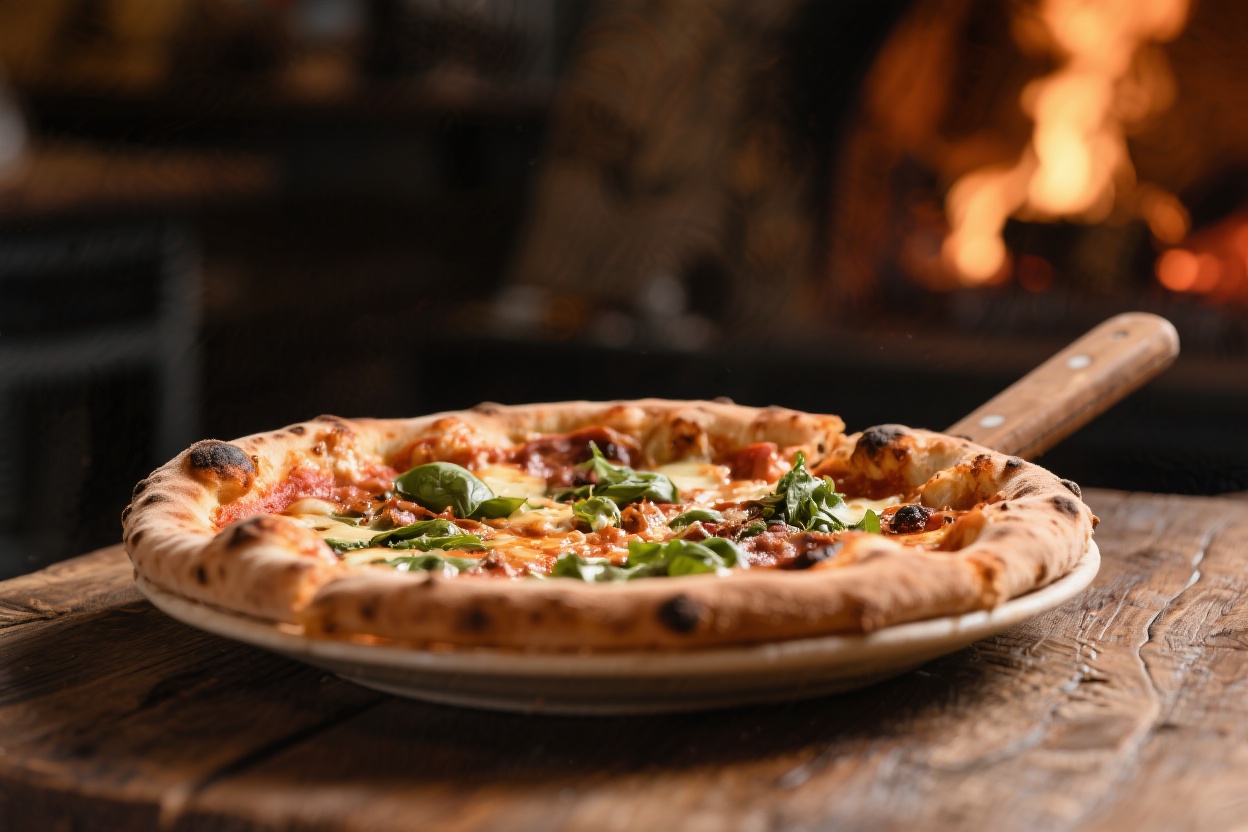
A crackling fire, blistered crust, and simple toppings—wood fired pizza has a way of turning a weekend meal into something special. It’s fast, rustic, and wildly flavorful. You don’t need a restaurant oven to get close, either; a backyard oven or a hot baking steel can do wonders.
This guide gives you timeless topping ideas, smart techniques, and a clear plan for making artisan pies that taste like they came from a tiny Italian pizzeria. Keep it simple, use great ingredients, and let heat do the heavy lifting.
Why This Recipe Works
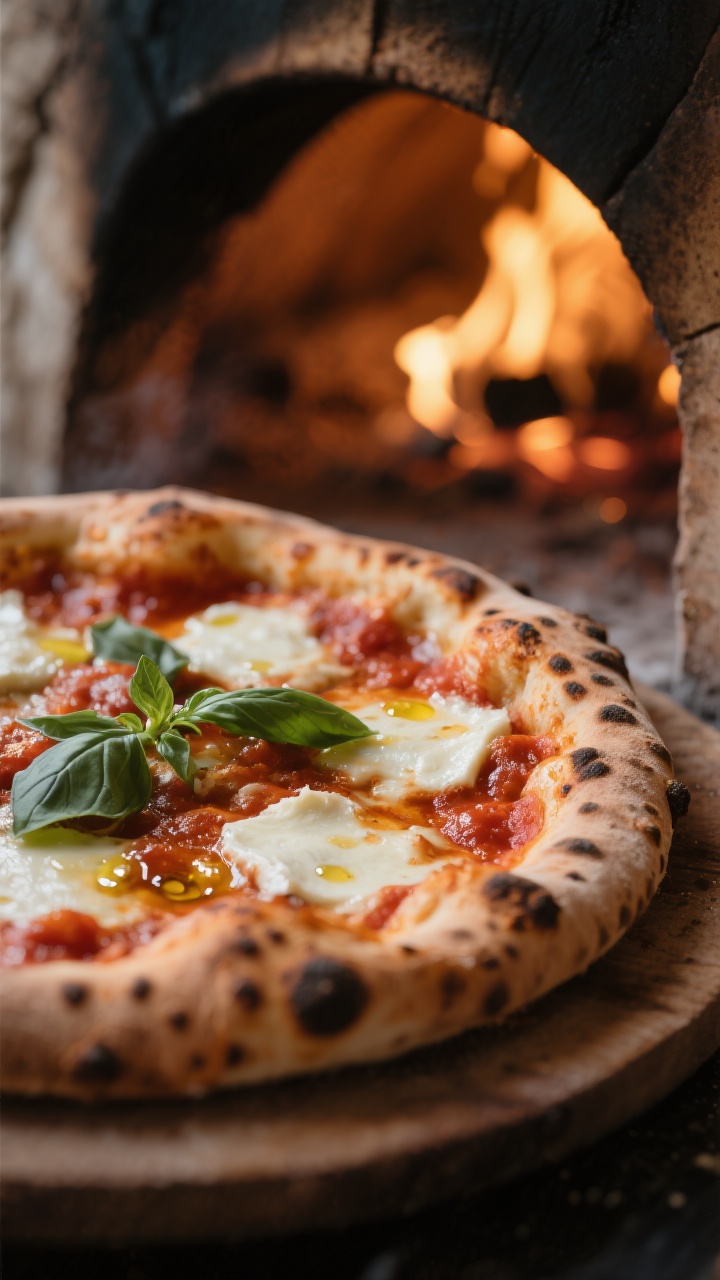
Wood fire delivers intense, even heat that puffs the crust and chars the edges for that signature leopard spotting. With the right dough hydration and a short bake, you get a crisp exterior and tender, chewy crumb.
Minimal, high-quality toppings shine because the pizza cooks in under two minutes, preserving fresh flavors. Finally, using a light hand with sauce and cheese helps the crust cook through, so your pie stays balanced and never soggy.
What You’ll Need
- Pizza Dough: High-protein flour (00 or bread flour), water, salt, and a tiny pinch of yeast. Aim for 60–65% hydration.
- Tomato Sauce: Crushed San Marzano tomatoes, sea salt, olive oil.Optional: a pinch of sugar and dried oregano.
- Cheese: Fresh mozzarella (drained), low-moisture mozzarella for extra melt, pecorino or parmesan for finishing.
- Olive Oil: Good extra virgin for finishing and drizzling.
- Fresh Herbs: Basil, oregano, parsley, thyme.
- Vegetables: Sliced mushrooms, thin zucchini ribbons, red onion, cherry tomatoes, roasted peppers, artichokes.
- Proteins: Prosciutto, spicy soppressata, fennel sausage, anchovies, grilled chicken.
- Special Add-Ons: Calabrian chile paste, chili flakes, garlic confit, pesto, truffle oil (sparingly), hot honey.
- Tools: Wood fired oven or pizza oven, pizza peel, turning peel (optional), bench scraper, dough tray, infrared thermometer, and a wire rack for cooling.
- Fuel: Seasoned hardwoods like oak, ash, or beech for a clean burn and steady heat.
How to Make It
- Make the dough: Mix flour, water, salt, and a tiny amount of yeast. Knead until smooth. Bulk ferment at room temperature 2–4 hours, then cold proof 24–72 hours.This develops flavor and extensibility.
- Portion and warm up: Divide into 230–260 g balls. Rest at room temp 1–2 hours before baking so the dough is relaxed and easy to stretch.
- Heat the oven: Build a strong fire and preheat until the floor reaches 750–850°F (400–455°C). Let heat soak in for even baking.
- Prep toppings: Drain fresh mozzarella on paper towels.Keep sauces and ingredients dry and minimal to avoid soggy crust.
- Stretch the dough: Dust with flour, press out from the center, and leave a 1-inch rim. Lift and let gravity help; avoid rolling pins to keep air bubbles intact.
- Sauce lightly: Add 1–2 tablespoons of sauce, spread thinly. Use a light hand—less is more with high-heat baking.
- Add cheese and toppings: Scatter mozzarella sparingly, then add 2–3 toppings max.Finish with a small drizzle of olive oil and a pinch of salt.
- Launch and bake: Dust the peel lightly with semolina or flour. Launch the pizza and bake 60–120 seconds, turning every 15–20 seconds for even charring.
- Finish: Rest on a wire rack 30–60 seconds to vent steam. Top with basil, grated hard cheese, or a final oil drizzle.
- Slice and serve: Cut into 4–6 slices and serve immediately while the crust is crisp and airy.
Storage Instructions
- Dough: Keep dough balls oiled in airtight containers in the fridge up to 3 days.For longer storage, freeze dough balls up to 2 months; thaw overnight in the fridge, then bring to room temp before use.
- Leftover pizza: Refrigerate slices in an airtight container up to 3 days. Reheat on a hot skillet with a lid for 2–3 minutes, or in a 450°F oven on a preheated sheet for 5–7 minutes.
- Sauce: Store plain tomato sauce in the fridge up to 5 days or freeze in small portions up to 3 months.
- Cheese: Wrap mozzarella in paper, then loosely in plastic. Use within 3–4 days for best texture.
Health Benefits
- Quality over quantity: Using fewer, better ingredients lowers sodium and saturated fat compared to heavy, chain-style pies.
- Tomato power: Tomatoes are rich in lycopene, an antioxidant that holds up well to short, high-heat cooking.
- Olive oil and herbs: Extra virgin olive oil adds heart-healthy fats, while herbs deliver flavor with virtually no calories.
- Veg-forward options: Grilled zucchini, mushrooms, and peppers boost fiber and micronutrients without weighing down the crust.
- Portion control: Smaller, personal pizzas let you enjoy rich flavors without overeating.
What Not to Do
- Don’t overload toppings. Too much moisture leads to a pale, undercooked center.
- Don’t skip the preheat. An underheated floor means a gummy crust and uneven browning.
- Don’t use wet mozzarella straight from the package. Drain or pat dry to prevent puddles.
- Don’t roll the dough thin with a pin. You’ll crush air pockets that create the puffy rim.
- Don’t walk away during the bake. At 800°F, a pizza can burn in seconds.Stay attentive and turn frequently.
Recipe Variations
- Margherita Classica: Light tomato sauce, fresh mozzarella, basil, olive oil, and a sprinkle of sea salt.
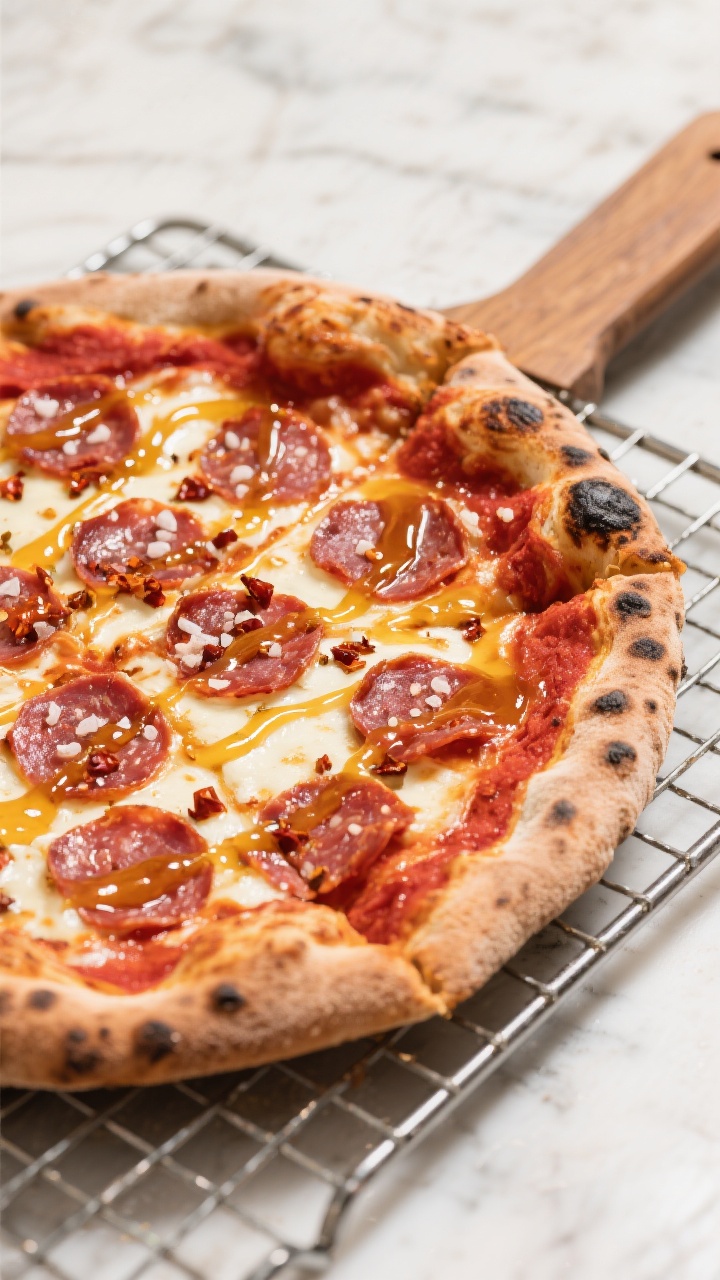
- Spicy Soppressata & Hot Honey: Tomato sauce, low-moisture mozzarella, soppressata, chili flakes, drizzle of hot honey after baking.
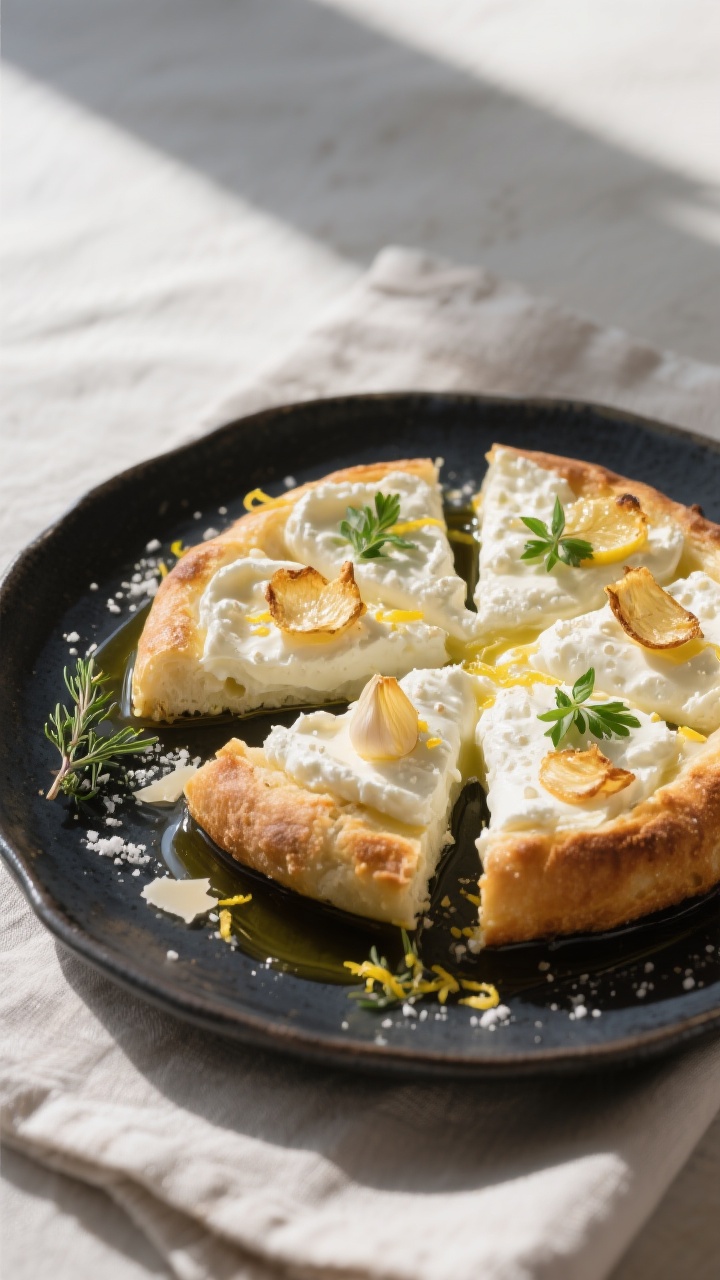
- Bianca with Garlic and Ricotta: No sauce—just olive oil, mozzarella, dollops of ricotta, garlic, thyme, and a finish of lemon zest.
- Funghi e Tartufo: Olive oil base, mozzarella, sautéed mushrooms, a whisper of truffle oil after baking, and parsley.
- Verdura Primavera: Pesto base, mozzarella, zucchini ribbons, cherry tomatoes, and shaved parmesan.
- Anchovy & Olive (Puttanesca Vibes): Tomato sauce, mozzarella, anchovies, black olives, capers, and oregano.
- Sausage & Fennel: Tomato sauce, mozzarella, crumbled fennel sausage, thinly sliced fennel, and pecorino.
- Prosciutto & Arugula: Bake a simple cheese pizza, then top with prosciutto, arugula, and olive oil after it comes out.
- Smoky Pepper & Burrata: Roasted red peppers, mozzarella, finish with torn burrata and basil post-bake.
- White Clam (Backyard Style): Olive oil, garlic, mozzarella, pre-cooked chopped clams, parsley, and lemon juice after baking.
FAQ
What’s the best flour for wood fired pizza?
Use 00 flour for a soft, tender crumb and high-heat tolerance. Bread flour also works and can give a slightly chewier crust. Avoid all-purpose if you want optimal structure under extreme heat.
How wet should my dough be?
A hydration of 60–65% is a sweet spot for home and backyard ovens.
It’s easy to handle, puffs nicely, and won’t stick like crazy. If you’re comfortable with wetter dough, you can push to 68–70% for extra open crumb.
Do I need sugar or oil in the dough?
Not if you’re baking hot. At high temps, flour’s natural sugars caramelize quickly.
A classic Neapolitan-style dough is just flour, water, salt, and yeast. A teaspoon of oil can help with extensibility, but it’s optional.
How do I stop my pizza from sticking to the peel?
Use a light dusting of semolina or flour, work quickly once topped, and give the peel a gentle shake before launching. If it sticks, lift an edge and blow a little air or add a pinch more flour under the trouble spot.
Can I make this without a wood fired oven?
Yes.
Preheat a baking steel or stone at 525–550°F for at least 45 minutes. Broil for 5–10 minutes before launching to supercharge the top heat. Your bake will be longer (5–8 minutes), but the results can be excellent.
Why are my crust edges burning before the center cooks?
Your fire may be too aggressive on one side, or the floor is cooler than the dome.
Let heat soak longer, move the fire to the side, and rotate more often. Use an infrared thermometer to confirm the floor is in the target range.
Should I cook sausage before putting it on the pizza?
Yes for home setups. Par-cook and crumble it so the fat renders and the meat finishes safely in the short bake time.
This prevents greasy puddles and ensures even flavor.
When do I add delicate greens or cured meats?
Add tender greens like arugula, prosciutto, and burrata after baking. The residual heat warms them gently without wilting or drying them out.
Wrapping Up
Great wood fired pizza is about restraint, heat, and quality ingredients. Keep your dough simple, your toppings light, and your oven hot.
With a few practice pies, you’ll find your rhythm and personal style. Use these ideas as a starting point, then make the pies that make you happiest—crispy, blistered, and full of character.
Printable Recipe Card
Want just the essential recipe details without scrolling through the article? Get our printable recipe card with just the ingredients and instructions.