

Cottage cheese bread is the kind of loaf that surprises people. It’s soft, slightly tangy, and has a tender crumb that stays moist for days. The cottage cheese melts into the dough as it bakes, adding protein and richness without making the bread heavy.
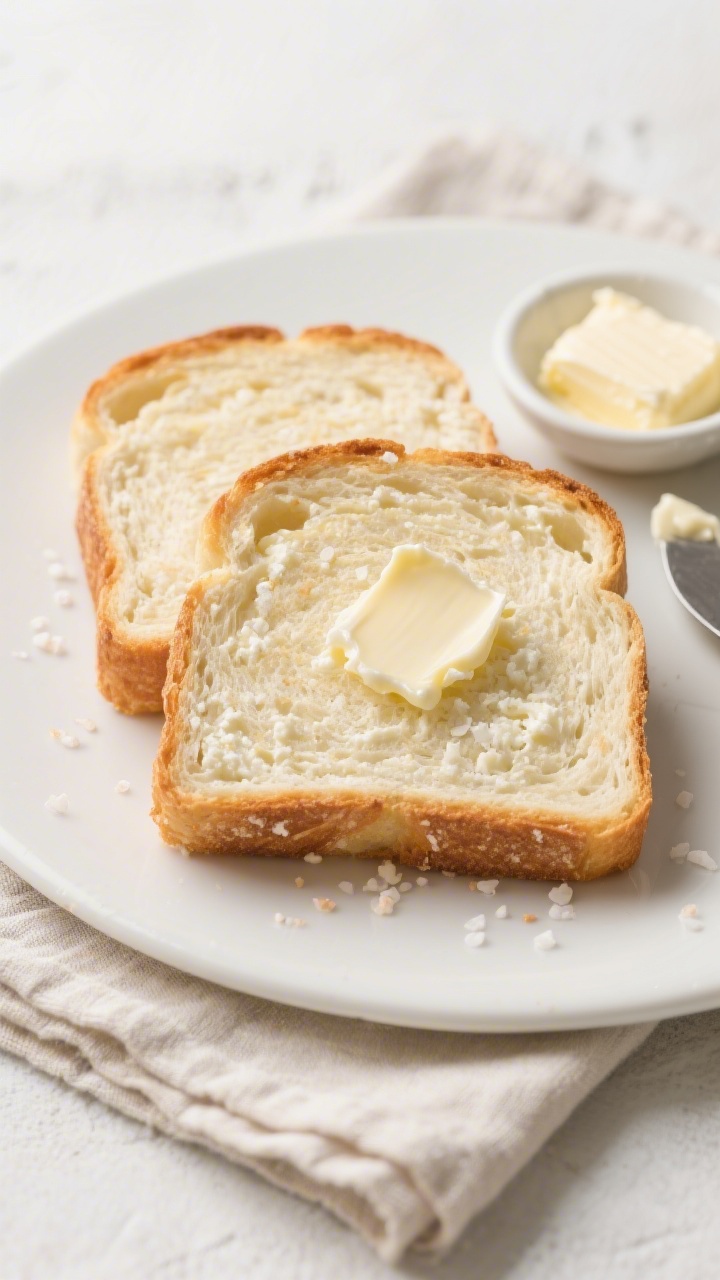
It’s great for toast, sandwiches, or just tearing off a warm piece and spreading with butter. If you like simple baking projects with reliable results, this one belongs in your rotation.
Why This Recipe Works
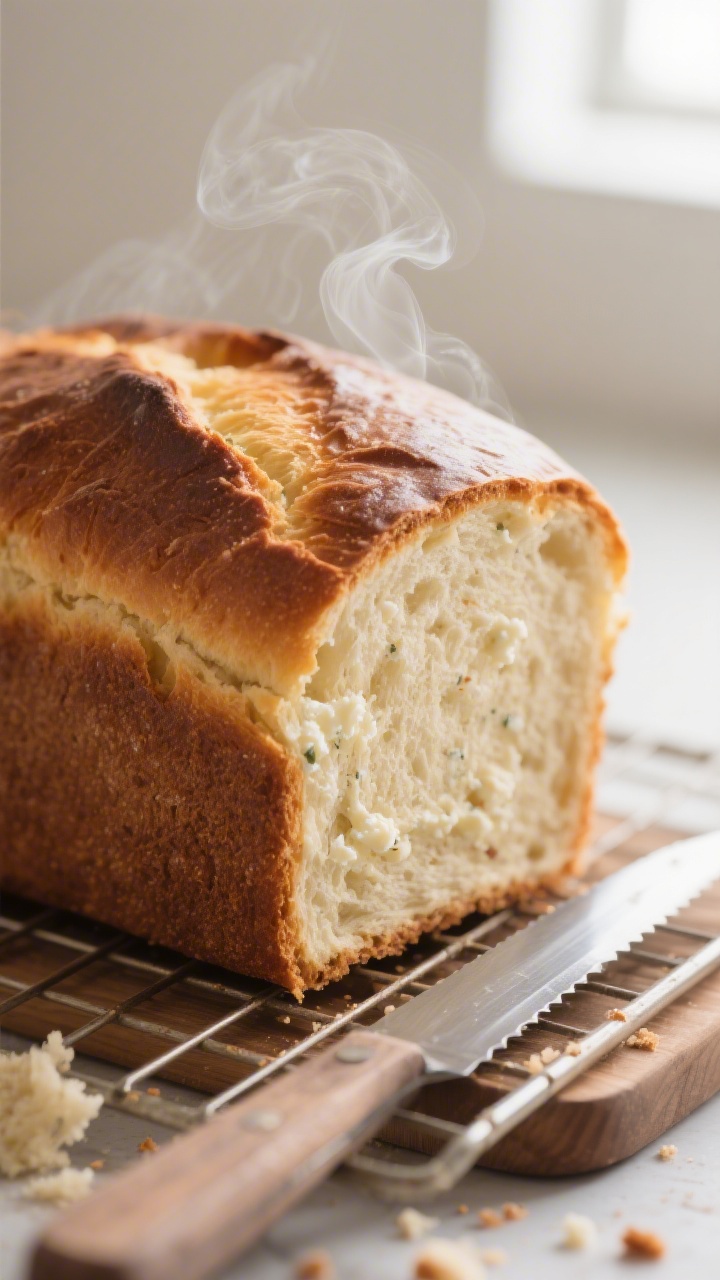
- Moisture that lasts: Cottage cheese brings extra moisture and fat. That means a soft, pillowy texture and a loaf that doesn’t dry out quickly.
- Protein boost without fuss: You get a meaningful bump in protein content, but the bread still feels like bread—light, sliceable, and not dense.
- Mild, adaptable flavor: The flavor is gentle and slightly tangy, pairing well with sweet or savory toppings.
- Beginner-friendly method: This dough is forgiving, and it rises reliably thanks to a touch of sugar and warm milk.
- Everyday ingredients: Nothing exotic.You likely have most of what you need already.
Shopping List
- All-purpose flour (or bread flour for extra chew)
- Active dry yeast (or instant yeast)
- Granulated sugar (just a little to feed the yeast)
- Fine salt
- Whole milk (or 2%)
- Cottage cheese (small-curd preferred, 4% or 2% milkfat)
- Unsalted butter
- Large egg (optional, for extra richness)
- Neutral oil or nonstick spray (for greasing the bowl and pan)
How to Make It
- Warm the dairy: In a small saucepan or microwave, gently warm the milk until it’s just warm to the touch, about 105–110°F (40–43°C). Stir in the butter until melted. Let it cool slightly if it gets too hot.You don’t want to kill the yeast.
- Blend the cottage cheese: For a smoother crumb, pulse the cottage cheese in a blender or with an immersion blender for 10–15 seconds. You can skip this if you don’t mind small curds in the bread.
- Activate the yeast: In a large bowl, combine warm milk mixture with sugar and yeast. Let it sit 5–10 minutes until foamy.If nothing happens, your yeast may be old or the liquid too hot.
- Mix the dough: Add the cottage cheese, salt, and egg (if using). Stir in 2 1/2 cups of flour to form a shaggy dough. Keep adding flour, a few tablespoons at a time, until the dough pulls from the sides of the bowl but is still slightly tacky.
- Knead to smooth: Transfer to a lightly floured surface and knead 8–10 minutes, or mix in a stand mixer on medium-low for 6–8 minutes.The dough should become smooth, elastic, and soft. Aim for slightly tacky, not sticky.
- First rise: Place the dough in a lightly oiled bowl, turn to coat, and cover. Let it rise in a warm spot until doubled, about 60–90 minutes.The finger-poke test should leave a slow, gentle dent.
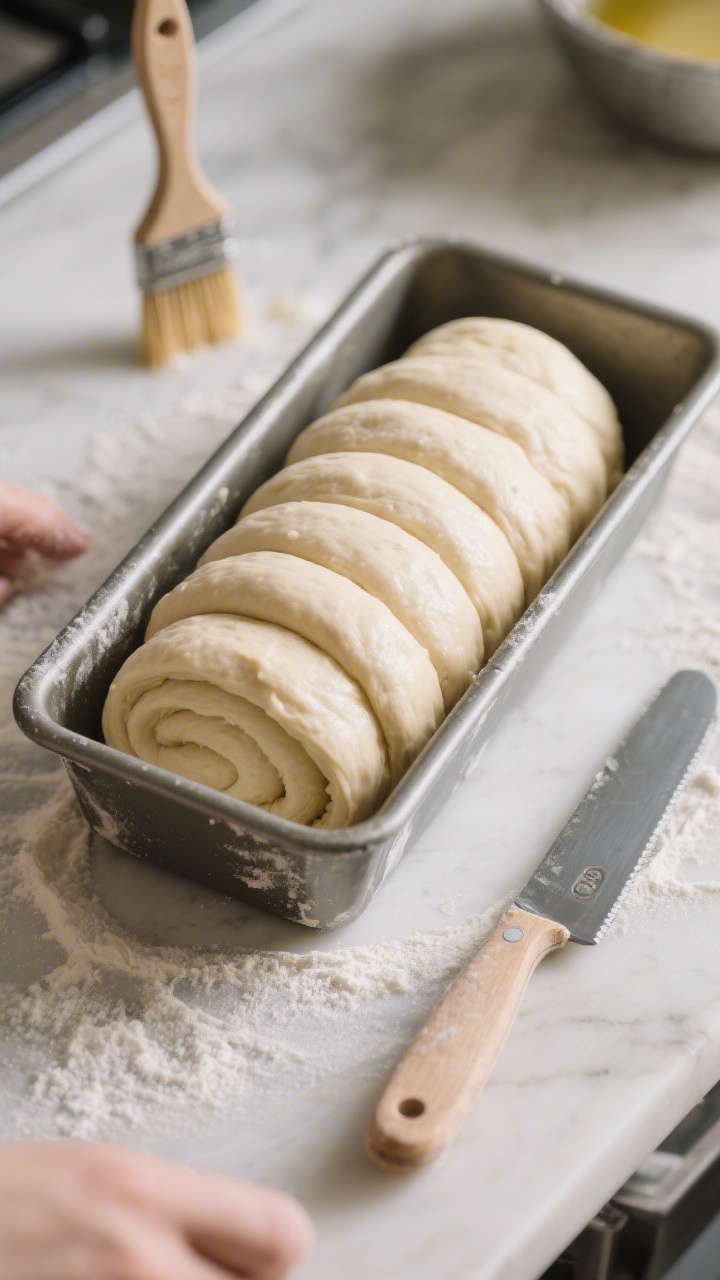
- Shape the loaf: Gently deflate the dough. Pat into a rectangle, then roll it up like a jelly roll. Pinch the seam and tuck the ends.Place seam-side down in a greased 9×5-inch loaf pan.
- Second rise: Cover and let rise until the dough crowns about an inch above the pan, 35–55 minutes depending on room temp. Preheat the oven to 350°F (175°C) during this time.
- Bake: Bake 30–38 minutes, until the top is deep golden and the internal temperature reaches about 195–200°F (90–93°C). If the top browns too fast, tent with foil for the last 10 minutes.
- Cool properly: Remove from the pan and cool on a rack at least 45 minutes before slicing.This sets the crumb and prevents gumminess.
Keeping It Fresh
- Room temperature: Wrap the cooled loaf in a clean towel or store in a bread box for up to 3 days. Avoid the fridge—it dries bread out.
- Freeze smart: Slice the loaf, wrap tightly, and freeze for up to 3 months. Toast straight from frozen for the best texture.
- Revive the crumb: If it starts to feel stale, warm slices in a low oven or toaster to bring back softness.
Why This is Good for You
- Higher protein: The cottage cheese adds protein that can help keep you full longer.
- Better balance: Compared to standard white bread, this version offers a mix of carbs, fat, and protein for more even energy.
- Calcium and B vitamins: Dairy contributes minerals and vitamins that support bones and metabolism.
- Less sugar: The small amount of sugar is there to help the yeast, not to sweeten the loaf.
Common Mistakes to Avoid
- Overheating the milk: Liquids hotter than 120°F (49°C) can kill your yeast and stop the rise.
- Adding too much flour: A stiff, dry dough leads to dense bread.Keep it slightly tacky and rely on kneading to build structure.
- Skipping the cool-down: Slicing too soon compresses the crumb. Let it rest so the interior sets.
- Old yeast: Expired or poorly stored yeast won’t perform. Check dates and store in the fridge or freezer once opened.
- Under-kneading: If the dough tears easily and doesn’t feel elastic, knead longer for a better rise and texture.
Alternatives
- Flour swaps: Use bread flour for more chew or swap up to 1 cup of all-purpose with whole wheat for a heartier loaf.You may need a bit more liquid with whole wheat.
- Dairy options: Try 2% milk and low-fat cottage cheese to reduce fat. Full-fat gives the softest crumb.
- Seeds and grains: Add 2–3 tablespoons of sesame, poppy, or flax seeds. Toast them first for better flavor.
- Herb and savory: Mix in 1–2 teaspoons dried herbs (like dill, chives, or rosemary) and a little garlic powder for a sandwich-ready loaf.
- Gluten-free path: Use a reliable gluten-free bread flour blend plus 1 teaspoon xanthan gum if your blend lacks it.Expect a different texture but still good flavor.
- No egg: Leave it out entirely. The loaf will still be tender; you may need an extra tablespoon or two of milk if the dough feels stiff.
FAQ
Can I use instant yeast instead of active dry?
Yes. Use the same amount and skip the activation step.
Mix it with the flour and proceed, making sure your liquids are warm, not hot.
Do I need to blend the cottage cheese?
No, but blending gives a smoother crumb. Unblended curds often melt away anyway, leaving only tiny specks.
How can I tell the dough has enough flour?
It should clear the sides of the bowl, feel soft, and be slightly tacky. If it sticks stubbornly to your hands, add flour a tablespoon at a time.
Why did my bread sink after baking?
Over-proofing is the usual cause.
The dough rose too high and collapsed in the oven. Next time, bake earlier when the dough has just risen over the pan.
What’s the best way to store leftovers?
Keep at room temperature in a bread box or wrapped in a towel for up to 3 days. For longer storage, slice and freeze.
Can I make this dough in a bread machine?
Yes.
Add ingredients per your machine’s order (usually liquids first), run the dough cycle, shape, rise in a loaf pan, and bake in the oven for better crust.
Is this bread good for sandwiches?
Absolutely. It slices cleanly, toasts beautifully, and holds up to fillings without crumbling.
Can I bake it as rolls?
Yes. Divide into 10–12 pieces, shape, let rise on a sheet pan, and bake at 375°F (190°C) for 15–18 minutes until golden.
In Conclusion
Cottage cheese bread is a reliable, everyday loaf with a soft bite and a gentle tang.
It’s simple to make, easy to customize, and stays fresh longer than most homemade bread. Whether you toast it for breakfast or stack it with your favorite sandwich fillings, this loaf delivers comfort and substance in every slice. If you’re looking for a go-to bread that feels special without extra fuss, this is it.


